Buy merkata.eu ?
We are moving the project
merkata.eu .
Are you interested in purchasing the domain
merkata.eu ?
domain@kv-gmbh.de · 0541-91531010
Buy merkata.eu ?
Free market economy or planned economy?
The choice between a free market economy and a planned economy depends on the specific goals and values of a society. A free market economy allows for individual freedom and competition, which can lead to innovation and efficiency. However, it can also result in inequality and lack of regulation. On the other hand, a planned economy allows for more control and distribution of resources, but it can stifle individual initiative and innovation. Ultimately, the decision between the two depends on the balance a society seeks between individual freedom and social equality. **
What is better: Social market economy or free market economy?
The answer to this question depends on one's perspective and values. A social market economy combines elements of both a free market and government intervention to ensure social welfare and economic stability. It aims to balance individual freedom with social responsibility. On the other hand, a free market economy prioritizes individual freedom and minimal government intervention, allowing for more competition and innovation. Ultimately, the "better" system depends on the specific needs and values of a society, as well as the balance between individual freedom and social welfare that is desired. **


Similar search terms for Much
Top-Angebote
Products related to Much:
-
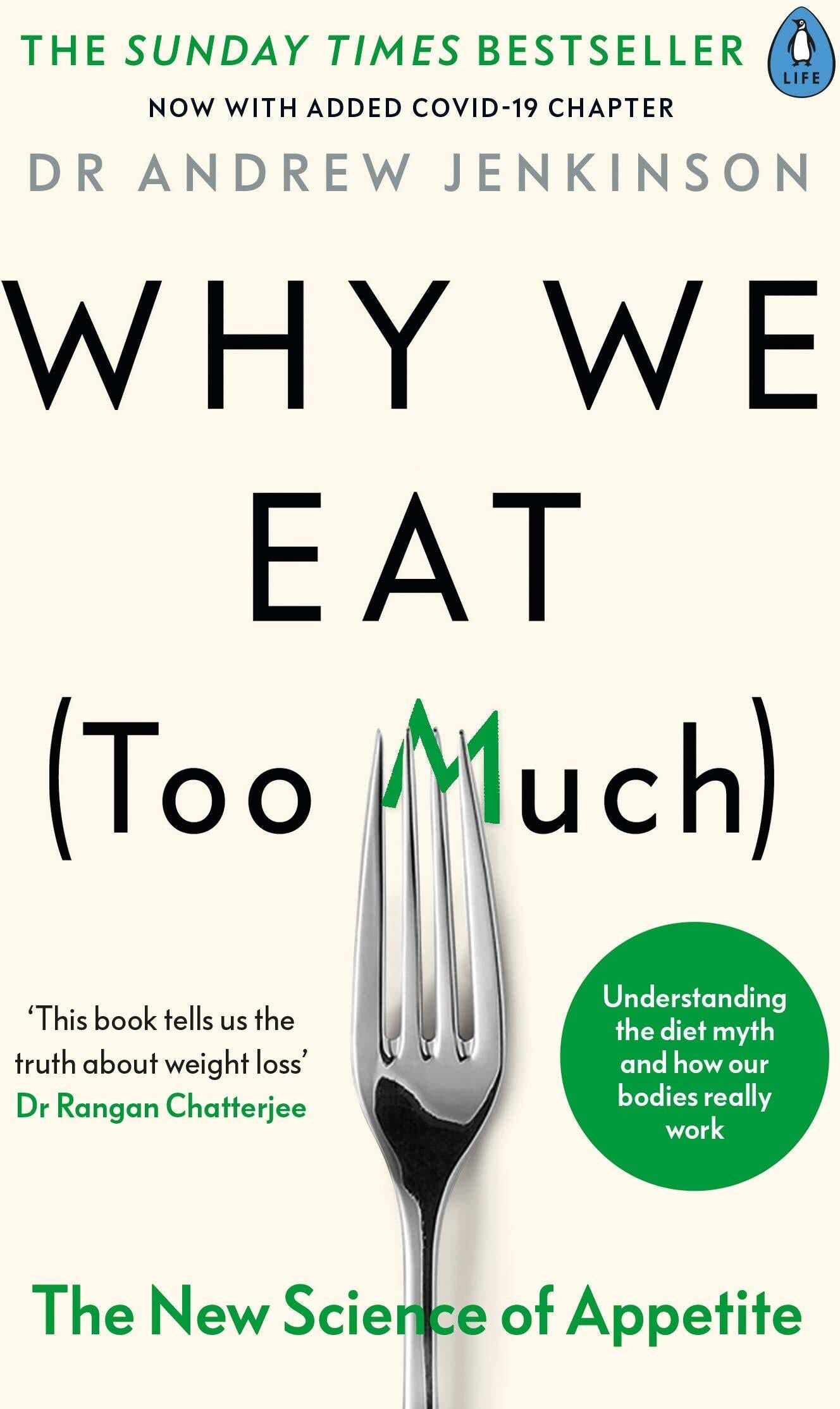
Penguin Why We Eat (Too Much) and Metabolical 2 Books Collection SetWhy We Eat (Too Much) by Dr Andrew Jenkinson We've all heard the golden rule: eat less, exercise more and you'll lose weight. But what if it isn't that simple? For over two decades, weight loss surgeon Dr Andrew Jenkinson has treated thousands of people who have become trapped in the endless cycle of dieting. Why We Eat (Too Much), combines case studies from his practice and the new science of metabolism to illuminate how our appetite really works. Debunking myths of about body and systematically explaining why dieting is counter-productive, this unflinching book investigates every aspect of nutrition: from the 'set weight point' that is unique to all of us, to good and bad fats, and from how genes impact our weight to how our hormones are affected after a diet ends. Metabolical by Dr Robert Lustig Did you know that 62% of the food in our supermarkets is not only processed but 'ultra-processed' (ingredients from other foods are combined to make something 'new', often in colours that do not exist in nature) and that data shows that by eating this kind of food over time we are literally slowly poisoning ourselves? In the hard-hitting, ground-breaking tradition of his NY Times bestseller FAT CHANCE, which revealed the dangers of sugar, Dr Robert Lustig persuasively presents a stark exposé of how our addiction to processed foods (aided and abetted by the food industry, big ag, big pharma, institutional medicine and the government) is behind the lethal increase in major non-communicable diseases, including diabetes, heart disease, fatty liver disease, cancer and dementia. We have come to accept that these chronic diseases are simply part of the 'natural ageing process', but Dr Lustig makes the case that this is simply not true.12,90 £*Shipping: 2,99 £Secure redirect to the provider
-
Fourth Estate Fat Chance, Why We Eat Too Much Science of Appetite 2 Books Collection SetFat Chance, Why We Eat Too Much Science of Appetite 2 Books Collection Set Fat Chance: The Hidden Truth About Sugar, Obesity and Disease Sugar is toxic, addictive and everywhere. So what chance do you have of living sugar-free? With busy lives and little time left for cooking we find ourselves relying on a diet of processed food. But this is what’s responsible for our chronically expanding waistlines, soaring levels of diabetes and a catalogue of diseases. Dr Robert Lustig reveals the truth about our sugar-laden food: Why conventional low-fat weight loss advice won’t work: not every calorie is the same, and skipping lunch doesn’t mean it’s ok to eat dessert Why too much sugar can cause serious illness even if you are not overweight How the food industry is filling our diets with hidden sugars – and which foods you must cut out to avoid them How governments are complacent about, and even complicit in, exacerbating our food debacle He will radically change the way you see your food and give you more than a fat chance of a healthier, happier and smarter life Why We Eat (Too Much): The New Science of Appetite by Dr Andrew Jenkinson We've all heard the golden rule: eat less, exercise more and you'll lose weight. But what if it isn't that simple? For over two decades, weight loss surgeon Dr Andrew Jenkinson has treated thousands of people who have become trapped in the endless cycle of dieting. Why We Eat (Too Much), combines case studies from his practice and the new science of metabolism to illuminate how our appetite really works. Debunking myths of about body and systematically explaining why dieting is counter-productive, this unflinching book investigates every aspect of nutrition: from the 'set weight point' that is unique to all of us, to good and bad fats, and from how genes impact our weight to how our hormones are affected after a diet ends. With a new chapter about the link between obesity and COVID-19, this incredible book will help you understand your body better than ever before.9,95 £*Shipping: 2,99 £Secure redirect to the provider
-
Penguin Why We Eat (Too Much) by Andrew Jenkinson The New Science of Appetite & Lasting Weight LossWhy We Eat (Too Much): The New Science of Appetite by Andrew Jenkinson exposes the real reasons behind weight gain—and why traditional dieting fails.Drawing on decades of clinical experience as a bariatric surgeon, Jenkinson reveals how hormones, metabolism, appetite signals, genetics, stress and the modern food environment influence our eating habits far more than willpower alone. The book debunks diet myths, explains how the body protects its “set point” weight, and offers science-backed strategies for achieving long-term health without extreme diets or guilt.Clear, compassionate and transformative, it’s a must-read for anyone interested in nutrition, weight management, metabolism, or evidence-based health advice.7,99 £*Shipping: 2,99 £Secure redirect to the provider



-
What is the difference between online commerce and retail commerce?
Online commerce refers to the buying and selling of goods and services over the internet, while retail commerce refers to the traditional brick-and-mortar stores where customers can physically visit and make purchases. Online commerce offers the convenience of shopping from anywhere at any time, while retail commerce provides the opportunity for customers to see, touch, and try products before making a purchase. Online commerce often involves lower overhead costs and can reach a wider audience, while retail commerce provides a more personalized and immediate shopping experience. **
-
What is the difference between social market economy, free market economy, and planned economy?
A social market economy combines elements of both a free market economy and a planned economy. It allows for private ownership of businesses and resources, while also implementing government regulations to ensure fair competition and social welfare. In contrast, a free market economy relies on minimal government intervention, allowing businesses to operate with little regulation. On the other hand, a planned economy is centrally controlled by the government, with decisions regarding production, distribution, and pricing made by central authorities. **
-
How much is a person worth purely objectively and from a market economy perspective?
From a purely objective and market economy perspective, a person's worth is determined by their skills, education, experience, and the value they bring to a company or industry. This can be measured in terms of their earning potential, productivity, and contribution to the overall economy. However, it's important to note that a person's worth goes beyond just their economic value and includes their intrinsic value as a human being, which cannot be quantified in monetary terms. **
-
Why market economy and not planned economy?
A market economy is preferred over a planned economy because it allows for individual freedom and choice in economic decision-making. In a market economy, prices are determined by supply and demand, leading to efficient allocation of resources. Additionally, competition in a market economy encourages innovation and productivity, driving economic growth. On the other hand, a planned economy, where the government controls production and distribution, can lead to inefficiencies, lack of innovation, and limited consumer choice. **
Is Germany a centrally planned economy, a social market economy, or a free market economy?
Germany is considered a social market economy. This means that while it operates within a free market framework, the government plays a significant role in regulating the economy and providing social welfare programs. The social market economy model aims to balance economic freedom with social responsibility, promoting competition and entrepreneurship while also ensuring social security and a fair distribution of wealth. This approach has been a key factor in Germany's economic success and stability. **
Why was the free market economy replaced by the social market economy?
The free market economy was replaced by the social market economy in many countries to address the shortcomings of unregulated capitalism. The social market economy aims to combine the efficiency of the free market with social welfare policies to ensure a more equitable distribution of wealth and opportunities. This shift was driven by the desire to reduce income inequality, provide social safety nets, and promote economic stability and sustainable growth. The social market economy also seeks to address issues such as poverty, unemployment, and environmental degradation that were not adequately addressed by the free market system. **
Top-Angebote
Products related to Much:
-
Enesco/Dept 56 Snow Much Fun Clothtique Red , RedThis pup always has Snow Much Fun snow tubing with Santa! The duo wears classic Santa hats as they slide through the glittery snow. Santa wears a shiny red jacket, a striped scarf, and a green bag of toys. One present on a spring appears to be...95,99 $*Shipping: 18,95 $Secure redirect to the provider
-
Obaby Guess How Much I Love You - Scribble Cot Bed RoundOur "Guess I Can Hop' Grace Inspire cot bed, turns your little one's nursery into an enchanting story every night. The beautifully printed illustrations will bring your little one's imagination to life whether it's bedtime stories to wind down for a dreamy sleep or imaginary play. The grace Inspire features an adjustable three-position base, the top setting allows your baby to be taken in and out of the cot bed without unecessary bending, then as your child learns to sit and stand you can adjust the base by a further two positions to keep them sag=fe and secure. Once your little one is ready to progress to a bed, the Grace Inspire cot bed will convert seamlessly from a cot bed into a cosy and stylish toddler bed, meaning it offers maximum durability and long-lasting value. The Grace Inspire cot bed requires an Obaby 140 x 70 cm mattress, available separately. Obaby168,99 £*Shipping: 0,00 £Secure redirect to the provider
-
Penguin Why We Eat (Too Much) and Metabolical 2 Books Collection SetWhy We Eat (Too Much) by Dr Andrew Jenkinson We've all heard the golden rule: eat less, exercise more and you'll lose weight. But what if it isn't that simple? For over two decades, weight loss surgeon Dr Andrew Jenkinson has treated thousands of people who have become trapped in the endless cycle of dieting. Why We Eat (Too Much), combines case studies from his practice and the new science of metabolism to illuminate how our appetite really works. Debunking myths of about body and systematically explaining why dieting is counter-productive, this unflinching book investigates every aspect of nutrition: from the 'set weight point' that is unique to all of us, to good and bad fats, and from how genes impact our weight to how our hormones are affected after a diet ends. Metabolical by Dr Robert Lustig Did you know that 62% of the food in our supermarkets is not only processed but 'ultra-processed' (ingredients from other foods are combined to make something 'new', often in colours that do not exist in nature) and that data shows that by eating this kind of food over time we are literally slowly poisoning ourselves? In the hard-hitting, ground-breaking tradition of his NY Times bestseller FAT CHANCE, which revealed the dangers of sugar, Dr Robert Lustig persuasively presents a stark exposé of how our addiction to processed foods (aided and abetted by the food industry, big ag, big pharma, institutional medicine and the government) is behind the lethal increase in major non-communicable diseases, including diabetes, heart disease, fatty liver disease, cancer and dementia. We have come to accept that these chronic diseases are simply part of the 'natural ageing process', but Dr Lustig makes the case that this is simply not true.12,90 £*Shipping: 2,99 £Secure redirect to the provider
-
Fourth Estate Fat Chance, Why We Eat Too Much Science of Appetite 2 Books Collection SetFat Chance, Why We Eat Too Much Science of Appetite 2 Books Collection Set Fat Chance: The Hidden Truth About Sugar, Obesity and Disease Sugar is toxic, addictive and everywhere. So what chance do you have of living sugar-free? With busy lives and little time left for cooking we find ourselves relying on a diet of processed food. But this is what’s responsible for our chronically expanding waistlines, soaring levels of diabetes and a catalogue of diseases. Dr Robert Lustig reveals the truth about our sugar-laden food: Why conventional low-fat weight loss advice won’t work: not every calorie is the same, and skipping lunch doesn’t mean it’s ok to eat dessert Why too much sugar can cause serious illness even if you are not overweight How the food industry is filling our diets with hidden sugars – and which foods you must cut out to avoid them How governments are complacent about, and even complicit in, exacerbating our food debacle He will radically change the way you see your food and give you more than a fat chance of a healthier, happier and smarter life Why We Eat (Too Much): The New Science of Appetite by Dr Andrew Jenkinson We've all heard the golden rule: eat less, exercise more and you'll lose weight. But what if it isn't that simple? For over two decades, weight loss surgeon Dr Andrew Jenkinson has treated thousands of people who have become trapped in the endless cycle of dieting. Why We Eat (Too Much), combines case studies from his practice and the new science of metabolism to illuminate how our appetite really works. Debunking myths of about body and systematically explaining why dieting is counter-productive, this unflinching book investigates every aspect of nutrition: from the 'set weight point' that is unique to all of us, to good and bad fats, and from how genes impact our weight to how our hormones are affected after a diet ends. With a new chapter about the link between obesity and COVID-19, this incredible book will help you understand your body better than ever before.9,95 £*Shipping: 2,99 £Secure redirect to the provider
-
Free market economy or planned economy?
The choice between a free market economy and a planned economy depends on the specific goals and values of a society. A free market economy allows for individual freedom and competition, which can lead to innovation and efficiency. However, it can also result in inequality and lack of regulation. On the other hand, a planned economy allows for more control and distribution of resources, but it can stifle individual initiative and innovation. Ultimately, the decision between the two depends on the balance a society seeks between individual freedom and social equality. **
-
What is better: Social market economy or free market economy?
The answer to this question depends on one's perspective and values. A social market economy combines elements of both a free market and government intervention to ensure social welfare and economic stability. It aims to balance individual freedom with social responsibility. On the other hand, a free market economy prioritizes individual freedom and minimal government intervention, allowing for more competition and innovation. Ultimately, the "better" system depends on the specific needs and values of a society, as well as the balance between individual freedom and social welfare that is desired. **
-
What is the difference between online commerce and retail commerce?
Online commerce refers to the buying and selling of goods and services over the internet, while retail commerce refers to the traditional brick-and-mortar stores where customers can physically visit and make purchases. Online commerce offers the convenience of shopping from anywhere at any time, while retail commerce provides the opportunity for customers to see, touch, and try products before making a purchase. Online commerce often involves lower overhead costs and can reach a wider audience, while retail commerce provides a more personalized and immediate shopping experience. **
-
What is the difference between social market economy, free market economy, and planned economy?
A social market economy combines elements of both a free market economy and a planned economy. It allows for private ownership of businesses and resources, while also implementing government regulations to ensure fair competition and social welfare. In contrast, a free market economy relies on minimal government intervention, allowing businesses to operate with little regulation. On the other hand, a planned economy is centrally controlled by the government, with decisions regarding production, distribution, and pricing made by central authorities. **
Similar search terms for Much
-
Penguin Why We Eat (Too Much) by Andrew Jenkinson The New Science of Appetite & Lasting Weight LossWhy We Eat (Too Much): The New Science of Appetite by Andrew Jenkinson exposes the real reasons behind weight gain—and why traditional dieting fails.Drawing on decades of clinical experience as a bariatric surgeon, Jenkinson reveals how hormones, metabolism, appetite signals, genetics, stress and the modern food environment influence our eating habits far more than willpower alone. The book debunks diet myths, explains how the body protects its “set point” weight, and offers science-backed strategies for achieving long-term health without extreme diets or guilt.Clear, compassionate and transformative, it’s a must-read for anyone interested in nutrition, weight management, metabolism, or evidence-based health advice.7,99 £*Shipping: 2,99 £Secure redirect to the provider
-
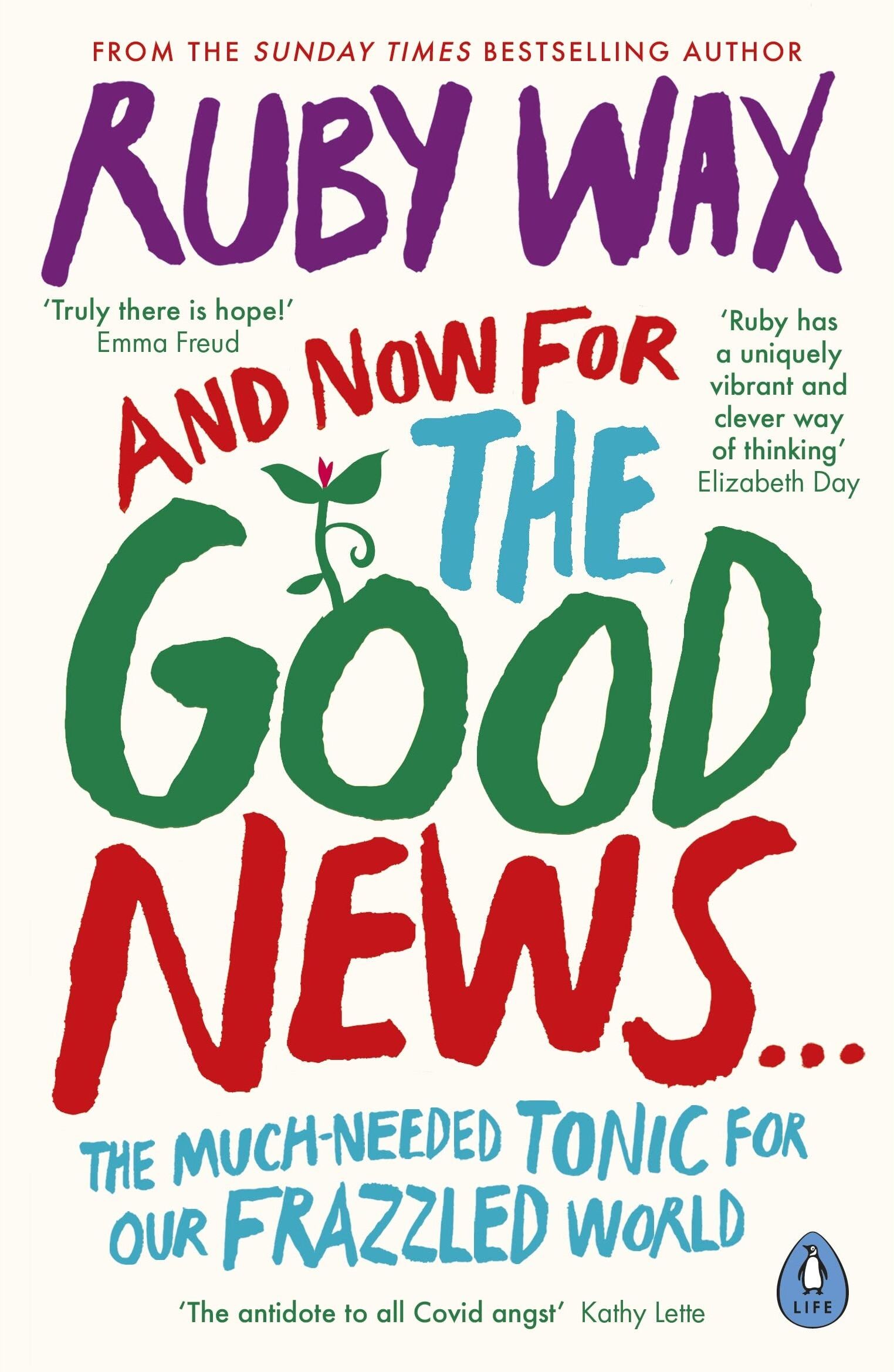
Penguin And Now For The Good News: The much-needed tonic for our frazzled world by Ruby WaxAnd Now For The Good News: The much-needed tonic for our frazzled world by Ruby Wax Bestselling author and comedian, Ruby Wax, uses her iconic wit and expertise to equip readers with a positive roadmap for a kinder, brighter world and better mental health. As we begin to see the green shoots of a post-pandemic world, Ruby Wax's clever and witty And Now for the Good News is the blueprint we all need for achieving a kinder, more compassionate world. Brimming with practical learnings, Ruby gives readers the opportunity to create lasting positive change and provides us all with a much-needed tonic for better mental health and wellbeing. She has spent the last three years speaking to the people who are spearheading the latest innovation and influencing a brighter future for humanity. From the communities being designed to eradicate loneliness and the companies putting their employees' happiness first, to the impressive AI technology teaching children with learning difficulties and taking literacy levels higher than ever before. And Now for the Good News distils her inspiring findings into key practical takeaways for all. Ruby's here to provide us all with a positive roadmap for a brighter world and most importantly, for better mental wellbeing.2,10 £*Shipping: 1,99 £Secure redirect to the provider
-
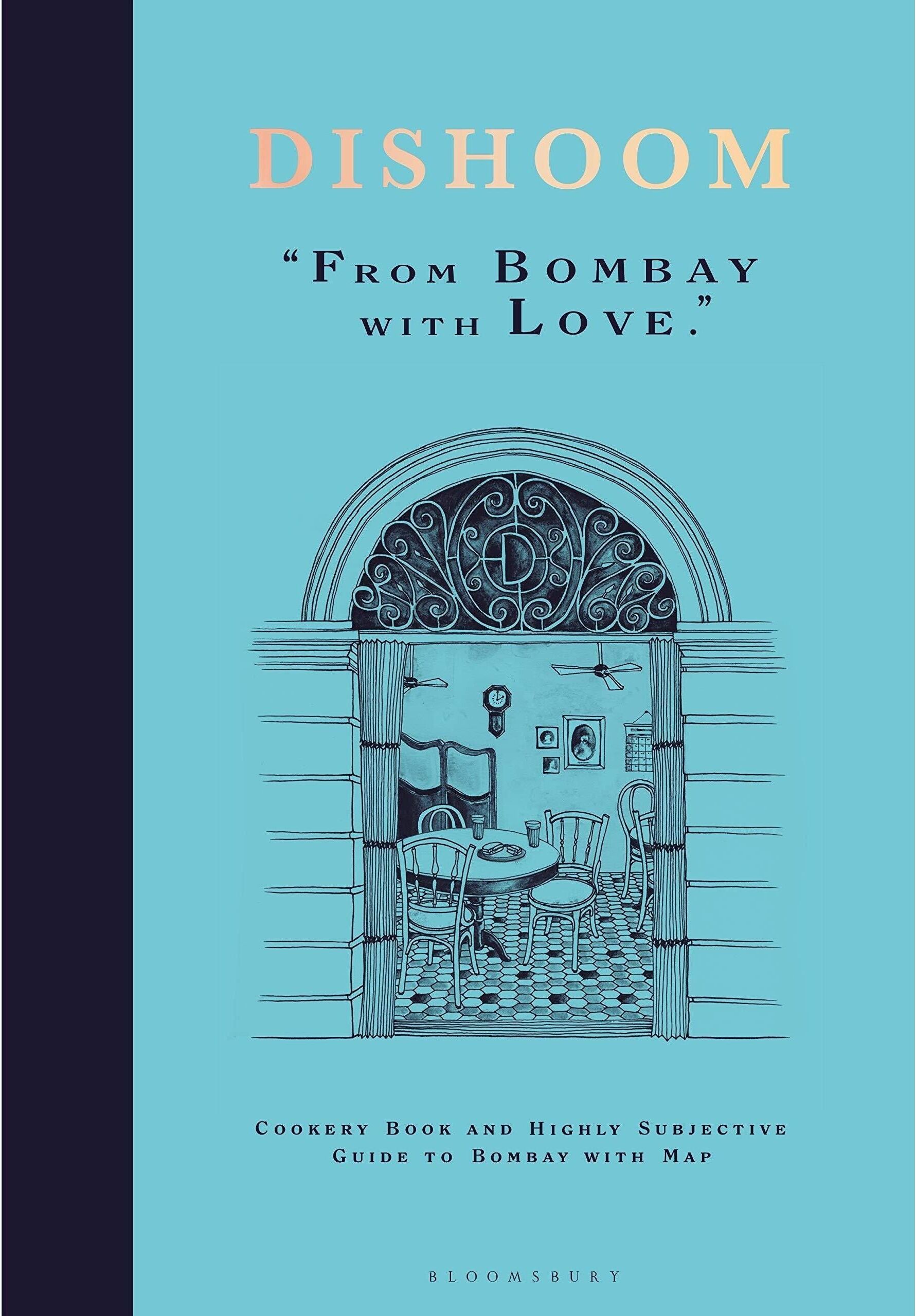
Bloomsbury Publishing Dishoom Cookbook The First Ever Cookbook from the Much-Loved Indian Restaurant – Authentic Bombay Café RecipesAt long last, Dishoom share the secrets to their much sought-after Bombay comfort food: the Bacon Naan Roll, Black Daal, Okra Fries, Jackfruit Biryani, Chicken Ruby and Lamb Raan, along with Masala Chai, coolers and cocktails. As you learn to cook the Dishoom menu, you will also be taken on a day-long tour of south Bombay, peppered with much eating and drinking. You'll discover the simple joy of early chai and omelette at Kyani and Co., of dawdling in Horniman Circle on a lazy morning, of eating your fill on Mohammed Ali Road, of strolling on the sands at Chowpatty at sunset or taking the air at Nariman Point at night. This beautiful cookery book and its equally beautiful photography will transport you to Dishoom's most treasured corners of an eccentric and charming Bombay. Read it, and you will find yourself replete with recipes and stories to share with all who come to your table.17,99 £*Shipping: 2,99 £Secure redirect to the provider
-
How much is a person worth purely objectively and from a market economy perspective?
From a purely objective and market economy perspective, a person's worth is determined by their skills, education, experience, and the value they bring to a company or industry. This can be measured in terms of their earning potential, productivity, and contribution to the overall economy. However, it's important to note that a person's worth goes beyond just their economic value and includes their intrinsic value as a human being, which cannot be quantified in monetary terms. **
-
Why market economy and not planned economy?
A market economy is preferred over a planned economy because it allows for individual freedom and choice in economic decision-making. In a market economy, prices are determined by supply and demand, leading to efficient allocation of resources. Additionally, competition in a market economy encourages innovation and productivity, driving economic growth. On the other hand, a planned economy, where the government controls production and distribution, can lead to inefficiencies, lack of innovation, and limited consumer choice. **
-
Is Germany a centrally planned economy, a social market economy, or a free market economy?
Germany is considered a social market economy. This means that while it operates within a free market framework, the government plays a significant role in regulating the economy and providing social welfare programs. The social market economy model aims to balance economic freedom with social responsibility, promoting competition and entrepreneurship while also ensuring social security and a fair distribution of wealth. This approach has been a key factor in Germany's economic success and stability. **
-
Why was the free market economy replaced by the social market economy?
The free market economy was replaced by the social market economy in many countries to address the shortcomings of unregulated capitalism. The social market economy aims to combine the efficiency of the free market with social welfare policies to ensure a more equitable distribution of wealth and opportunities. This shift was driven by the desire to reduce income inequality, provide social safety nets, and promote economic stability and sustainable growth. The social market economy also seeks to address issues such as poverty, unemployment, and environmental degradation that were not adequately addressed by the free market system. **
* All prices are inclusive of VAT and, if applicable, plus shipping costs. The offer information is based on the details provided by the respective shop and is updated through automated processes. Real-time updates do not occur, so deviations can occur in individual cases. ** Note: Parts of this content were created by AI.