Buy merkata.eu ?
We are moving the project
merkata.eu .
Are you interested in purchasing the domain
merkata.eu ?
domain@kv-gmbh.de · 0541-91531010
Buy merkata.eu ?
Free market economy or planned economy?
The choice between a free market economy and a planned economy depends on the specific goals and values of a society. A free market economy allows for individual freedom and competition, which can lead to innovation and efficiency. However, it can also result in inequality and lack of regulation. On the other hand, a planned economy allows for more control and distribution of resources, but it can stifle individual initiative and innovation. Ultimately, the decision between the two depends on the balance a society seeks between individual freedom and social equality. **
What is better: Social market economy or free market economy?
The answer to this question depends on one's perspective and values. A social market economy combines elements of both a free market and government intervention to ensure social welfare and economic stability. It aims to balance individual freedom with social responsibility. On the other hand, a free market economy prioritizes individual freedom and minimal government intervention, allowing for more competition and innovation. Ultimately, the "better" system depends on the specific needs and values of a society, as well as the balance between individual freedom and social welfare that is desired. **


Similar search terms for Payment
Top-Angebote
Products related to Payment:
-
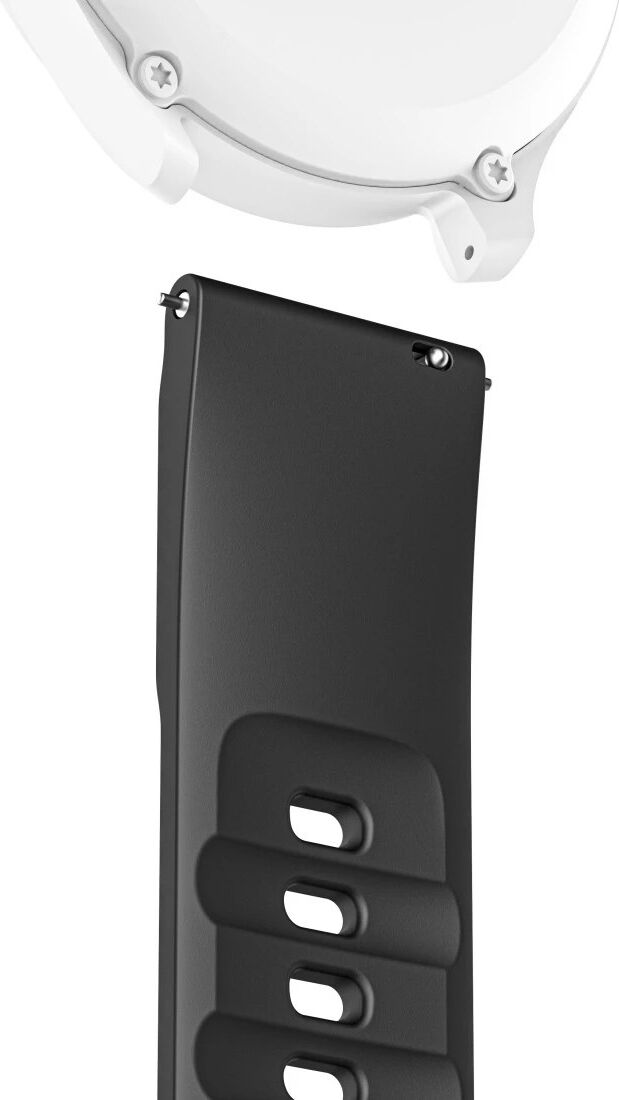
Hama NFC Payment Watch Strap, Silicone, 22 mm - BeigePay in the blink of an eye: with the payment wristband, you can leave your wallet tucked away. Simply upgrade your (smart)watch with the NFC wristband and pay contactlessly with ease. Spontaneous coffee runs or a quick stop at the bakery - make your everyday life a little less complicated.Powered by FidesmoReliable partner, uncomplicated setup: connect the payment wristband to the Fidesmo app and then add the credit or debit card to Fidesmo Pay– ready for contactless paymentSecure use of the payment wearablePay securely and contactlessly: the passive NFC chip is only activated when the wristband is approx. 2 - 4 cm from the card reader. A digitally encrypted token, derived from the linked card’s card number, is used in the payment wristband800+ partner banksHuge network: the Fidesmo app supports 800 banks worldwide, and this network is constantly being expanded - your bank is sure to be among themVisa and Mastercard certifiedHighest standards: Visa and Mastercard agree, which is why the entire payment wristband is certified, from the wristband to the app to the chipFor a web width of 22 mmUniversal measurement: with the standard web width of 22 mm, suitable for many analogue watches, Hama smart watches and other brandsSilicone wristband with stainless steel buckleTimeless and elegant: design harmonises with many wristwatches and smart watches, the soft yet robust silicone is comfortable to wear against the skin27,49 £*Shipping: 0,00 £Secure redirect to the provider
-
Hama NFC Payment Watch Strap, Silicone, 20 mm - BlackPay in the blink of an eye: with the payment wristband, you can leave your wallet tucked away. Simply upgrade your (smart)watch with the NFC wristband and pay contactlessly with ease. Spontaneous coffee runs or a quick stop at the bakery - make your everyday life a little less complicated.Powered by FidesmoReliable partner, uncomplicated setup: connect the payment wristband to the Fidesmo app and then add the credit or debit card to Fidesmo Pay– ready for contactless paymentSecure use of the payment wearablePay securely and contactlessly: the passive NFC chip is only activated when the wristband is approx. 2 - 4 cm from the card reader. A digitally encrypted token, derived from the linked card’s card number, is used in the payment wristband800+ partner banksHuge network: the Fidesmo app supports 800 banks worldwide, and this network is constantly being expanded - your bank is sure to be among themVisa and Mastercard certifiedHighest standards: Visa and Mastercard agree, which is why the entire payment wristband is certified, from the wristband to the app to the chipFor web width 20 mmUniversal measurement: with the standard web width of 20 mm, suitable for many analogue watches, Hama smart watches and other brandsSilicone wristband with stainless steel buckleTimeless and elegant: design harmonises with many wristwatches and smart watches, the soft yet robust silicone is comfortable to wear against the skin27,49 £*Shipping: 0,00 £Secure redirect to the provider


-
What is the difference between online commerce and retail commerce?
Online commerce refers to the buying and selling of goods and services over the internet, while retail commerce refers to the traditional brick-and-mortar stores where customers can physically visit and make purchases. Online commerce offers the convenience of shopping from anywhere at any time, while retail commerce provides the opportunity for customers to see, touch, and try products before making a purchase. Online commerce often involves lower overhead costs and can reach a wider audience, while retail commerce provides a more personalized and immediate shopping experience. **
-
What is the difference between social market economy, free market economy, and planned economy?
A social market economy combines elements of both a free market economy and a planned economy. It allows for private ownership of businesses and resources, while also implementing government regulations to ensure fair competition and social welfare. In contrast, a free market economy relies on minimal government intervention, allowing businesses to operate with little regulation. On the other hand, a planned economy is centrally controlled by the government, with decisions regarding production, distribution, and pricing made by central authorities. **
-
Why market economy and not planned economy?
A market economy is preferred over a planned economy because it allows for individual freedom and choice in economic decision-making. In a market economy, prices are determined by supply and demand, leading to efficient allocation of resources. Additionally, competition in a market economy encourages innovation and productivity, driving economic growth. On the other hand, a planned economy, where the government controls production and distribution, can lead to inefficiencies, lack of innovation, and limited consumer choice. **
-
Is Germany a centrally planned economy, a social market economy, or a free market economy?
Germany is considered a social market economy. This means that while it operates within a free market framework, the government plays a significant role in regulating the economy and providing social welfare programs. The social market economy model aims to balance economic freedom with social responsibility, promoting competition and entrepreneurship while also ensuring social security and a fair distribution of wealth. This approach has been a key factor in Germany's economic success and stability. **

Why was the free market economy replaced by the social market economy?
The free market economy was replaced by the social market economy in many countries to address the shortcomings of unregulated capitalism. The social market economy aims to combine the efficiency of the free market with social welfare policies to ensure a more equitable distribution of wealth and opportunities. This shift was driven by the desire to reduce income inequality, provide social safety nets, and promote economic stability and sustainable growth. The social market economy also seeks to address issues such as poverty, unemployment, and environmental degradation that were not adequately addressed by the free market system. **
What is the difference between social market economy and socialist market economy?
The main difference between a social market economy and a socialist market economy lies in the level of government involvement in the economy. In a social market economy, there is a balance between free market principles and government intervention to ensure social welfare and economic stability. This model is often associated with countries like Germany and Sweden. On the other hand, a socialist market economy involves a higher degree of government control and ownership of key industries, with the goal of achieving social equality and reducing income disparities. This model is often associated with countries like China and Vietnam. **
Top-Angebote
Products related to Payment:
-
SQUARE Handheld Card & Contactless Payment TerminalTake payments wherever you are with the Square Handheld payment terminal. You customers can use chip and pin , contactless , and mobile payments like Google or Apple Pay. Just one straightforward processing rate of 1.75% with no surprises or hidden fees. And your money hits your bank account as soon as the next day. Use the barcode scanner to scan items, build baskets, count stock, or zap QR codes for discounts and memberships. There's also a camera to snap product shots to speed up listings and162,99 £*Shipping: 0,00 £Secure redirect to the provider
-
Hama NFC Payment Watch Strap, Silicone, 22 mm - BlackPay in the blink of an eye: with the payment wristband, you can leave your wallet tucked away. Simply upgrade your (smart)watch with the NFC wristband and pay contactlessly with ease. Spontaneous coffee runs or a quick stop at the bakery - make your everyday life a little less complicated.27,49 £*Shipping: 0,00 £Secure redirect to the provider
-
Hama NFC Payment Watch Strap, Silicone, 22 mm - BeigePay in the blink of an eye: with the payment wristband, you can leave your wallet tucked away. Simply upgrade your (smart)watch with the NFC wristband and pay contactlessly with ease. Spontaneous coffee runs or a quick stop at the bakery - make your everyday life a little less complicated.Powered by FidesmoReliable partner, uncomplicated setup: connect the payment wristband to the Fidesmo app and then add the credit or debit card to Fidesmo Pay– ready for contactless paymentSecure use of the payment wearablePay securely and contactlessly: the passive NFC chip is only activated when the wristband is approx. 2 - 4 cm from the card reader. A digitally encrypted token, derived from the linked card’s card number, is used in the payment wristband800+ partner banksHuge network: the Fidesmo app supports 800 banks worldwide, and this network is constantly being expanded - your bank is sure to be among themVisa and Mastercard certifiedHighest standards: Visa and Mastercard agree, which is why the entire payment wristband is certified, from the wristband to the app to the chipFor a web width of 22 mmUniversal measurement: with the standard web width of 22 mm, suitable for many analogue watches, Hama smart watches and other brandsSilicone wristband with stainless steel buckleTimeless and elegant: design harmonises with many wristwatches and smart watches, the soft yet robust silicone is comfortable to wear against the skin27,49 £*Shipping: 0,00 £Secure redirect to the provider
-
Hama NFC Payment Watch Strap, Silicone, 20 mm - BlackPay in the blink of an eye: with the payment wristband, you can leave your wallet tucked away. Simply upgrade your (smart)watch with the NFC wristband and pay contactlessly with ease. Spontaneous coffee runs or a quick stop at the bakery - make your everyday life a little less complicated.Powered by FidesmoReliable partner, uncomplicated setup: connect the payment wristband to the Fidesmo app and then add the credit or debit card to Fidesmo Pay– ready for contactless paymentSecure use of the payment wearablePay securely and contactlessly: the passive NFC chip is only activated when the wristband is approx. 2 - 4 cm from the card reader. A digitally encrypted token, derived from the linked card’s card number, is used in the payment wristband800+ partner banksHuge network: the Fidesmo app supports 800 banks worldwide, and this network is constantly being expanded - your bank is sure to be among themVisa and Mastercard certifiedHighest standards: Visa and Mastercard agree, which is why the entire payment wristband is certified, from the wristband to the app to the chipFor web width 20 mmUniversal measurement: with the standard web width of 20 mm, suitable for many analogue watches, Hama smart watches and other brandsSilicone wristband with stainless steel buckleTimeless and elegant: design harmonises with many wristwatches and smart watches, the soft yet robust silicone is comfortable to wear against the skin27,49 £*Shipping: 0,00 £Secure redirect to the provider
-
Free market economy or planned economy?
The choice between a free market economy and a planned economy depends on the specific goals and values of a society. A free market economy allows for individual freedom and competition, which can lead to innovation and efficiency. However, it can also result in inequality and lack of regulation. On the other hand, a planned economy allows for more control and distribution of resources, but it can stifle individual initiative and innovation. Ultimately, the decision between the two depends on the balance a society seeks between individual freedom and social equality. **
-
What is better: Social market economy or free market economy?
The answer to this question depends on one's perspective and values. A social market economy combines elements of both a free market and government intervention to ensure social welfare and economic stability. It aims to balance individual freedom with social responsibility. On the other hand, a free market economy prioritizes individual freedom and minimal government intervention, allowing for more competition and innovation. Ultimately, the "better" system depends on the specific needs and values of a society, as well as the balance between individual freedom and social welfare that is desired. **
-
What is the difference between online commerce and retail commerce?
Online commerce refers to the buying and selling of goods and services over the internet, while retail commerce refers to the traditional brick-and-mortar stores where customers can physically visit and make purchases. Online commerce offers the convenience of shopping from anywhere at any time, while retail commerce provides the opportunity for customers to see, touch, and try products before making a purchase. Online commerce often involves lower overhead costs and can reach a wider audience, while retail commerce provides a more personalized and immediate shopping experience. **
-
What is the difference between social market economy, free market economy, and planned economy?
A social market economy combines elements of both a free market economy and a planned economy. It allows for private ownership of businesses and resources, while also implementing government regulations to ensure fair competition and social welfare. In contrast, a free market economy relies on minimal government intervention, allowing businesses to operate with little regulation. On the other hand, a planned economy is centrally controlled by the government, with decisions regarding production, distribution, and pricing made by central authorities. **
Similar search terms for Payment
-
Everyday Crate HW28 Bluetooth Calling Smart Watch With Health Monitoring IP67 Waterproof NFC Payment greyEnjoy smarter living with the Bluetooth calling smartwatch that keeps you connected, active, and in control throughout your day. Designed for busy professionals, fitness enthusiasts, and everyday users, this health monitoring smartwatch combines...64,97 $*Shipping: 0,00 $Secure redirect to the provider
-
Why market economy and not planned economy?
A market economy is preferred over a planned economy because it allows for individual freedom and choice in economic decision-making. In a market economy, prices are determined by supply and demand, leading to efficient allocation of resources. Additionally, competition in a market economy encourages innovation and productivity, driving economic growth. On the other hand, a planned economy, where the government controls production and distribution, can lead to inefficiencies, lack of innovation, and limited consumer choice. **
-
Is Germany a centrally planned economy, a social market economy, or a free market economy?
Germany is considered a social market economy. This means that while it operates within a free market framework, the government plays a significant role in regulating the economy and providing social welfare programs. The social market economy model aims to balance economic freedom with social responsibility, promoting competition and entrepreneurship while also ensuring social security and a fair distribution of wealth. This approach has been a key factor in Germany's economic success and stability. **
-
Why was the free market economy replaced by the social market economy?
The free market economy was replaced by the social market economy in many countries to address the shortcomings of unregulated capitalism. The social market economy aims to combine the efficiency of the free market with social welfare policies to ensure a more equitable distribution of wealth and opportunities. This shift was driven by the desire to reduce income inequality, provide social safety nets, and promote economic stability and sustainable growth. The social market economy also seeks to address issues such as poverty, unemployment, and environmental degradation that were not adequately addressed by the free market system. **
-
What is the difference between social market economy and socialist market economy?
The main difference between a social market economy and a socialist market economy lies in the level of government involvement in the economy. In a social market economy, there is a balance between free market principles and government intervention to ensure social welfare and economic stability. This model is often associated with countries like Germany and Sweden. On the other hand, a socialist market economy involves a higher degree of government control and ownership of key industries, with the goal of achieving social equality and reducing income disparities. This model is often associated with countries like China and Vietnam. **
* All prices are inclusive of VAT and, if applicable, plus shipping costs. The offer information is based on the details provided by the respective shop and is updated through automated processes. Real-time updates do not occur, so deviations can occur in individual cases. ** Note: Parts of this content were created by AI.