Buy merkata.eu ?
We are moving the project
merkata.eu .
Are you interested in purchasing the domain
merkata.eu ?
domain@kv-gmbh.de · 0541-91531010
Buy merkata.eu ?
What did people trade in the Middle Ages?
During the Middle Ages, people traded a variety of goods such as spices, silk, wool, metals, and salt. These goods were often transported along trade routes that connected different regions and civilizations. The trade of these goods played a significant role in the economy of the Middle Ages and helped foster cultural exchange and development. Additionally, luxury items such as jewelry, perfumes, and exotic foods were also traded among the wealthy elite. **
What were the problems for trade in the Middle Ages?
Trade in the Middle Ages faced several challenges, including the lack of standardized currency, which made transactions difficult. The presence of bandits and pirates along trade routes also posed a threat to merchants and their goods. Additionally, the feudal system and the fragmentation of political power meant that different regions had varying trade regulations and tariffs, hindering the smooth flow of goods. Lastly, the limited technology and infrastructure of the time made transportation slow and costly, further impeding trade. **

Similar search terms for Ages
Top-Angebote
Products related to Ages:
-
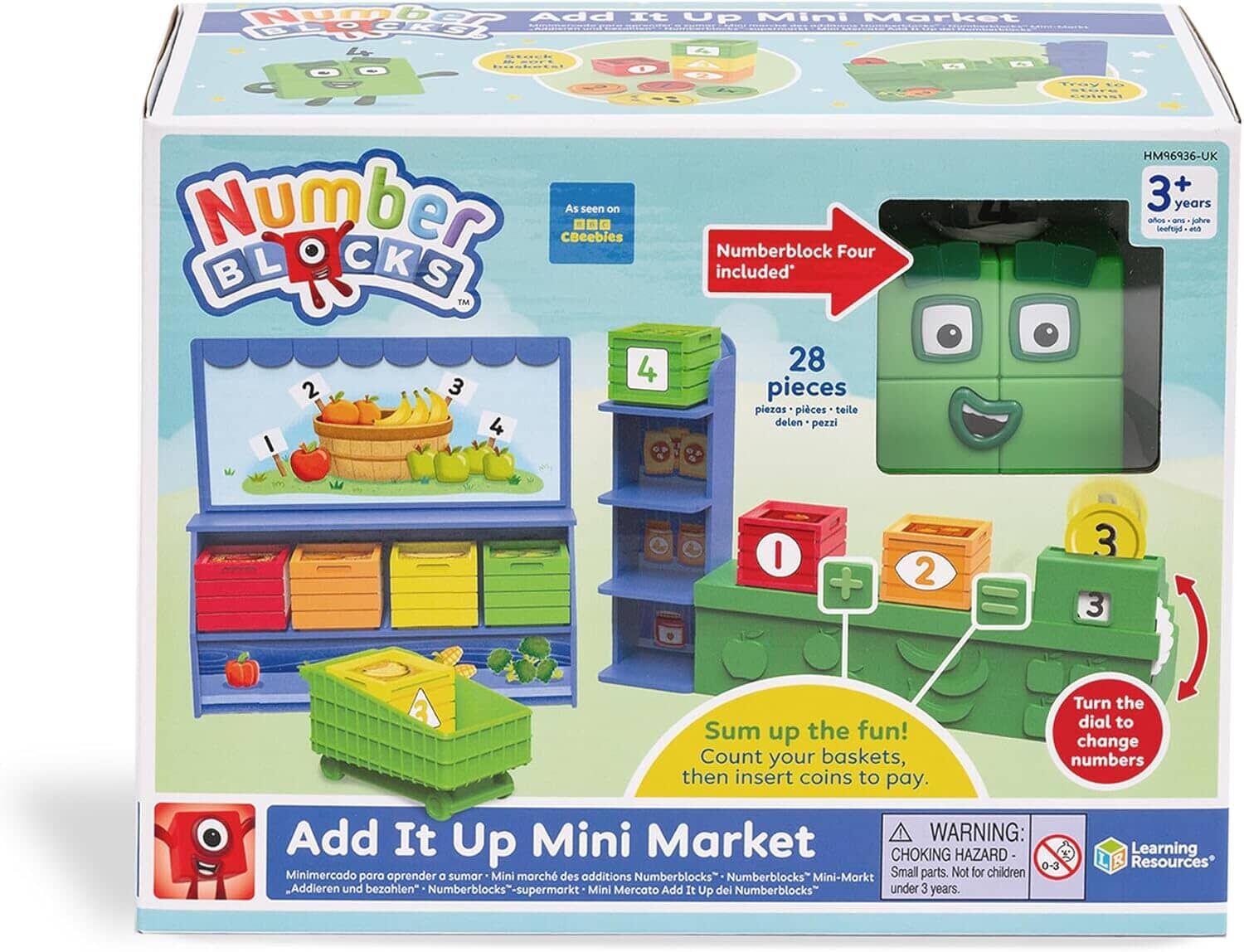
Numberblocks Add It Up Mini Market by Learning Resources - Ages 3 Years+ - Educational Toy Learning ResourcesLet’s set off on a fun shopping adventure with the Numberblocks® Add It Up Mini Market Figure Playset! Join Numberblock Four, our friendly shopkeeper, who can’t wait to help children learn about addition and basic maths with money. Start by gathering baskets filled with delicious snacks and pop them into your shopping trolley. When you’re all set to pay, simply place your baskets on the checkout counter and add up the numbers to find out how much your snacks cost. Don’t forget to turn the wheel on the interactive till to see how much you need to pay, and then drop your coins into the till. There are numbery features at every turn to reinforce early years maths principles through fun, purposeful play. Numberblock Four, the friendly shopkeeper, is eager to teach children about addition and basic maths using money! Includes Numberblock Four Figure, produce stand, checkout counter, shopping cart, 8 produce baskets, 16 double-sided coins. The Activity Guide and packaging are multilingual. 28 Piece Set19,99 £*Shipping: 2,99 £Secure redirect to the provider
-
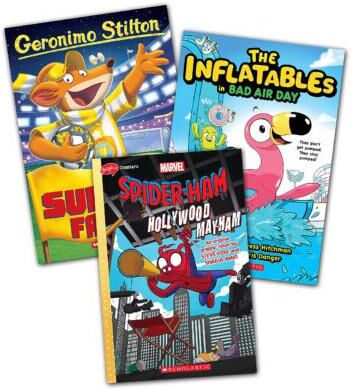
Scholastic Favorite Read Alouds (Ages 7-10)These stories full of action and adventure are sure to be read aloud favorites.This set includes:Spider-Ham: Hollywood May-HamThe Inflatables in Bad Air Day (The Inflatables #1)The Super Cup Face-Off (Geronimo Stilton #81) Favorite Read Alouds (Ages...20,36 $*Shipping: 0,00 $Secure redirect to the provider
-
What did maritime trade look like in the Middle Ages?
Maritime trade in the Middle Ages was a vital component of the global economy, connecting regions across the Mediterranean, Indian Ocean, and East Asia. Trade routes were established along coastlines and across open seas, allowing for the exchange of goods such as spices, silk, and precious metals. Merchant ships, often powered by wind and oar, transported these goods and facilitated cultural exchange between different civilizations. The rise of powerful maritime empires, such as the Byzantine and Arab empires, further facilitated and regulated trade across the seas. **
-
Free market economy or planned economy?
The choice between a free market economy and a planned economy depends on the specific goals and values of a society. A free market economy allows for individual freedom and competition, which can lead to innovation and efficiency. However, it can also result in inequality and lack of regulation. On the other hand, a planned economy allows for more control and distribution of resources, but it can stifle individual initiative and innovation. Ultimately, the decision between the two depends on the balance a society seeks between individual freedom and social equality. **
-
What is better: Social market economy or free market economy?
The answer to this question depends on one's perspective and values. A social market economy combines elements of both a free market and government intervention to ensure social welfare and economic stability. It aims to balance individual freedom with social responsibility. On the other hand, a free market economy prioritizes individual freedom and minimal government intervention, allowing for more competition and innovation. Ultimately, the "better" system depends on the specific needs and values of a society, as well as the balance between individual freedom and social welfare that is desired. **
-
What is the difference between online commerce and retail commerce?
Online commerce refers to the buying and selling of goods and services over the internet, while retail commerce refers to the traditional brick-and-mortar stores where customers can physically visit and make purchases. Online commerce offers the convenience of shopping from anywhere at any time, while retail commerce provides the opportunity for customers to see, touch, and try products before making a purchase. Online commerce often involves lower overhead costs and can reach a wider audience, while retail commerce provides a more personalized and immediate shopping experience. **


What was understood by the trade that developed in the Middle Ages?
The trade that developed in the Middle Ages was characterized by the exchange of goods and services between different regions and civilizations. This trade was facilitated by the growth of towns and cities, the development of trade routes, and the establishment of fairs and markets. The trade also led to the exchange of ideas, technologies, and cultural practices, contributing to the interconnectedness of different societies. Additionally, the trade in the Middle Ages played a significant role in the economic development and prosperity of many regions. **
What is the difference between social market economy, free market economy, and planned economy?
A social market economy combines elements of both a free market economy and a planned economy. It allows for private ownership of businesses and resources, while also implementing government regulations to ensure fair competition and social welfare. In contrast, a free market economy relies on minimal government intervention, allowing businesses to operate with little regulation. On the other hand, a planned economy is centrally controlled by the government, with decisions regarding production, distribution, and pricing made by central authorities. **
Top-Angebote
Products related to Ages:
-
Combo Retail Shop Adorable Pistachio Plushie Soft, Cute, & Perfect Gift For All Ages Adorable Pistachio Plushie Soft, Cute, & Perfect Gift For All AgesThe Pistachio Nut Plushie is a soft, cuddly stuffed toy designed to brighten up any space. Ideal for both decorative purposes and as a comforting companion, its the perfect gift for children, adults, and plushie lovers. This charming, fun, and...39,97 $*Shipping: 0,00 $Secure redirect to the provider
-
Numberblocks Add It Up Mini Market by Learning Resources - Ages 3 Years+ - Educational Toy Learning ResourcesLet’s set off on a fun shopping adventure with the Numberblocks® Add It Up Mini Market Figure Playset! Join Numberblock Four, our friendly shopkeeper, who can’t wait to help children learn about addition and basic maths with money. Start by gathering baskets filled with delicious snacks and pop them into your shopping trolley. When you’re all set to pay, simply place your baskets on the checkout counter and add up the numbers to find out how much your snacks cost. Don’t forget to turn the wheel on the interactive till to see how much you need to pay, and then drop your coins into the till. There are numbery features at every turn to reinforce early years maths principles through fun, purposeful play. Numberblock Four, the friendly shopkeeper, is eager to teach children about addition and basic maths using money! Includes Numberblock Four Figure, produce stand, checkout counter, shopping cart, 8 produce baskets, 16 double-sided coins. The Activity Guide and packaging are multilingual. 28 Piece Set19,99 £*Shipping: 2,99 £Secure redirect to the provider
-
What did people trade in the Middle Ages?
During the Middle Ages, people traded a variety of goods such as spices, silk, wool, metals, and salt. These goods were often transported along trade routes that connected different regions and civilizations. The trade of these goods played a significant role in the economy of the Middle Ages and helped foster cultural exchange and development. Additionally, luxury items such as jewelry, perfumes, and exotic foods were also traded among the wealthy elite. **
-
What were the problems for trade in the Middle Ages?
Trade in the Middle Ages faced several challenges, including the lack of standardized currency, which made transactions difficult. The presence of bandits and pirates along trade routes also posed a threat to merchants and their goods. Additionally, the feudal system and the fragmentation of political power meant that different regions had varying trade regulations and tariffs, hindering the smooth flow of goods. Lastly, the limited technology and infrastructure of the time made transportation slow and costly, further impeding trade. **
-
What did maritime trade look like in the Middle Ages?
Maritime trade in the Middle Ages was a vital component of the global economy, connecting regions across the Mediterranean, Indian Ocean, and East Asia. Trade routes were established along coastlines and across open seas, allowing for the exchange of goods such as spices, silk, and precious metals. Merchant ships, often powered by wind and oar, transported these goods and facilitated cultural exchange between different civilizations. The rise of powerful maritime empires, such as the Byzantine and Arab empires, further facilitated and regulated trade across the seas. **
-
Free market economy or planned economy?
The choice between a free market economy and a planned economy depends on the specific goals and values of a society. A free market economy allows for individual freedom and competition, which can lead to innovation and efficiency. However, it can also result in inequality and lack of regulation. On the other hand, a planned economy allows for more control and distribution of resources, but it can stifle individual initiative and innovation. Ultimately, the decision between the two depends on the balance a society seeks between individual freedom and social equality. **
Similar search terms for Ages
-
Scholastic Favorite Read Alouds (Ages 7-10)These stories full of action and adventure are sure to be read aloud favorites.This set includes:Spider-Ham: Hollywood May-HamThe Inflatables in Bad Air Day (The Inflatables #1)The Super Cup Face-Off (Geronimo Stilton #81) Favorite Read Alouds (Ages...20,36 $*Shipping: 0,00 $Secure redirect to the provider
-
Uplifted Finds Reflex Ball Headband, Enhance Agility & Focus For All Ages Reflex Ball Headband, Enhance Agility & Focus For All AgesThe Reflex Ball Headband is a training tool designed to enhance handeye coordination, agility, and focus through reflexbased exercise. Perfect for both children and adults, this innovative headband comes with a lightweight, adjustable reflex ball...34,99 $*Shipping: 0,00 $Secure redirect to the provider
-
Playful Picks Pistachio Plushie, Soft & Cute Decor Gift For All Ages Pistachio Plushie, Soft & Cute Decor Gift For All AgesIntroducing the Pistachio Nut Plushie, the perfect blend of comfort, character, and charm! This delightful, soft stuffed toy is not just a plushie it's a unique addition to your home decor, a comforting companion, and an adorable gift all in one....31,97 $*Shipping: 0,00 $Secure redirect to the provider
-
What is better: Social market economy or free market economy?
The answer to this question depends on one's perspective and values. A social market economy combines elements of both a free market and government intervention to ensure social welfare and economic stability. It aims to balance individual freedom with social responsibility. On the other hand, a free market economy prioritizes individual freedom and minimal government intervention, allowing for more competition and innovation. Ultimately, the "better" system depends on the specific needs and values of a society, as well as the balance between individual freedom and social welfare that is desired. **
-
What is the difference between online commerce and retail commerce?
Online commerce refers to the buying and selling of goods and services over the internet, while retail commerce refers to the traditional brick-and-mortar stores where customers can physically visit and make purchases. Online commerce offers the convenience of shopping from anywhere at any time, while retail commerce provides the opportunity for customers to see, touch, and try products before making a purchase. Online commerce often involves lower overhead costs and can reach a wider audience, while retail commerce provides a more personalized and immediate shopping experience. **
-
What was understood by the trade that developed in the Middle Ages?
The trade that developed in the Middle Ages was characterized by the exchange of goods and services between different regions and civilizations. This trade was facilitated by the growth of towns and cities, the development of trade routes, and the establishment of fairs and markets. The trade also led to the exchange of ideas, technologies, and cultural practices, contributing to the interconnectedness of different societies. Additionally, the trade in the Middle Ages played a significant role in the economic development and prosperity of many regions. **
-
What is the difference between social market economy, free market economy, and planned economy?
A social market economy combines elements of both a free market economy and a planned economy. It allows for private ownership of businesses and resources, while also implementing government regulations to ensure fair competition and social welfare. In contrast, a free market economy relies on minimal government intervention, allowing businesses to operate with little regulation. On the other hand, a planned economy is centrally controlled by the government, with decisions regarding production, distribution, and pricing made by central authorities. **
* All prices are inclusive of VAT and, if applicable, plus shipping costs. The offer information is based on the details provided by the respective shop and is updated through automated processes. Real-time updates do not occur, so deviations can occur in individual cases. ** Note: Parts of this content were created by AI.